

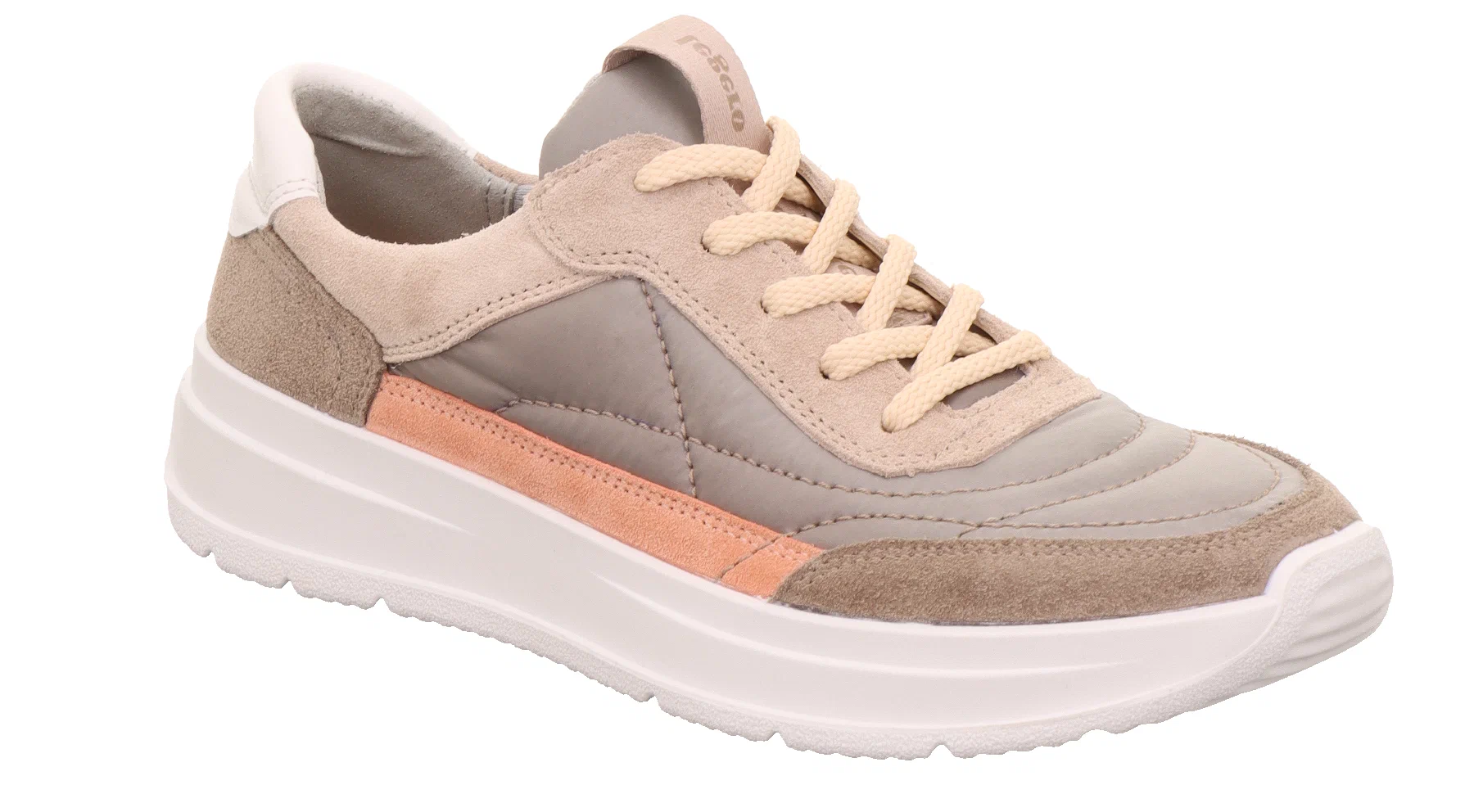
Shoes made for outdoors have a hard life.
They see rain, mud, sweat and sometimes even snow.
They are not just for walking on floors; they go through rough use in all kinds of weather.
So every part of the shoe must be ready for this.
One part that people often ignore is thread.
It may be small. It plays a big role in keeping the shoe strong and dry.
The sewing machine thread in shoes is very important.
Why Water Is a Problem in Footwear
Water can damage shoes in ways.
It can weaken materials affect glue and also enter through seams.
Seams are openings where stitching happens.
If water enters from there the inside of the shoe gets wet.
This reduces comfort. Can also reduce the product life.
So controlling water entry is very important.
What Is Water-Resistant Thread?
Water-resistant thread is designed to reduce water absorption.
It does not soak water easily.
When exposed to moisture it stays stable.
It helps prevent water from traveling along the line.
This makes seams more protective.
What Is Anti Wicking Thread?
Wicking is defined as water travelling via capillary action from one place to another.
Some threads absorb water. Carry it along their length.
This can bring water inside the shoe through seams.
Anti-wicking threads are made to stop this.
They block the movement of water through the thread.
So even if the outer part gets wet moisture does not travel inside easily.
Why Both Properties Matter Together
Water resistance and anti-wicking work as a team.
Water resistance reduces absorption.
Anti-wicking stops movement.
Together they protect the shoe better.
This is crucial in performance footwear.
Where These Threads Are Used
They are used in types of shoes:
* Hiking shoes
* Running shoes
* Trekking Shoes
* Sports Shoes
* Safety shoes used outdoors
In all these exposure to water is common.
So thread must support performance.
How These Threads Improve Comfort
Dry feet feel better.
When water enters the shoe it creates discomfort.
It can also lead to odor or skin issues.
By reducing water entry these threads help keep the dry.
This improves the wearing experience.
Impact on Durability
Water can weaken seams over time.
Repeated wet and dry cycles affect thread strength.
Water-resistant threads handle this better.
They maintain strength after exposure.
This helps the shoe longer.
Protection Against Sweat
It is not rain; feet also sweat.
Moisture from inside can affect seams.
Anti-wicking threads help here too.
They reduce moisture movement within the shoe.
This supports hygiene and comfort.
Types of Threads Used
- Bonded Polyester Threads
These are commonly used.
They offer resistance to water.
The bonded coating helps reduce absorption.
- Treated Threads
Some threads are specially treated with finishes.
These finishes improve water resistance and anti-wicking behavior.
- Synthetic Filament Threads
These threads include nylon sewing thread, which do not naturally absorb water.
They are used in performance footwear for results.
Role of Seam Construction
Thread is not enough; seam design also matters.
Tighter seams and proper stitching reduce gaps.
This helps in limiting water entry.
Thread and seam must work together.
Machine and Production Factors
During sewing thread must perform well.
If it breaks or creates lint, seam quality suffers.
Quality water-resistant threads are designed for smooth running.
They support production.
Testing for Real Conditions
Good manufacturers test shoes in conditions.
They check:
- Water exposure
- Moisture movement
- Seam strength after use
This ensures that the thread performs as expected.
Small Detail, Big Benefit
Thread may seem like a component.
It affects comfort, durability and performance.
In footwear these factors are very important.
Why It Matters Today
People today expect more from their shoes.
They want comfort in all conditions.
They want products that last.
Outdoor activities are also increasing.
So footwear must be ready for environments.
Thread plays a role in this readiness.
Lastly
Water and moisture are stressors in outdoor footwear.
They can affect comfort. Damage the product.
Water-resistant and anti-wicking threads offer a powerful solution.
They protect seams improve durability and keep the dry.
In the end it is not about making shoes; it is, about making shoes that perform well no matter the conditions.
Sometimes that performance begins with the smallest detail—the thread.