

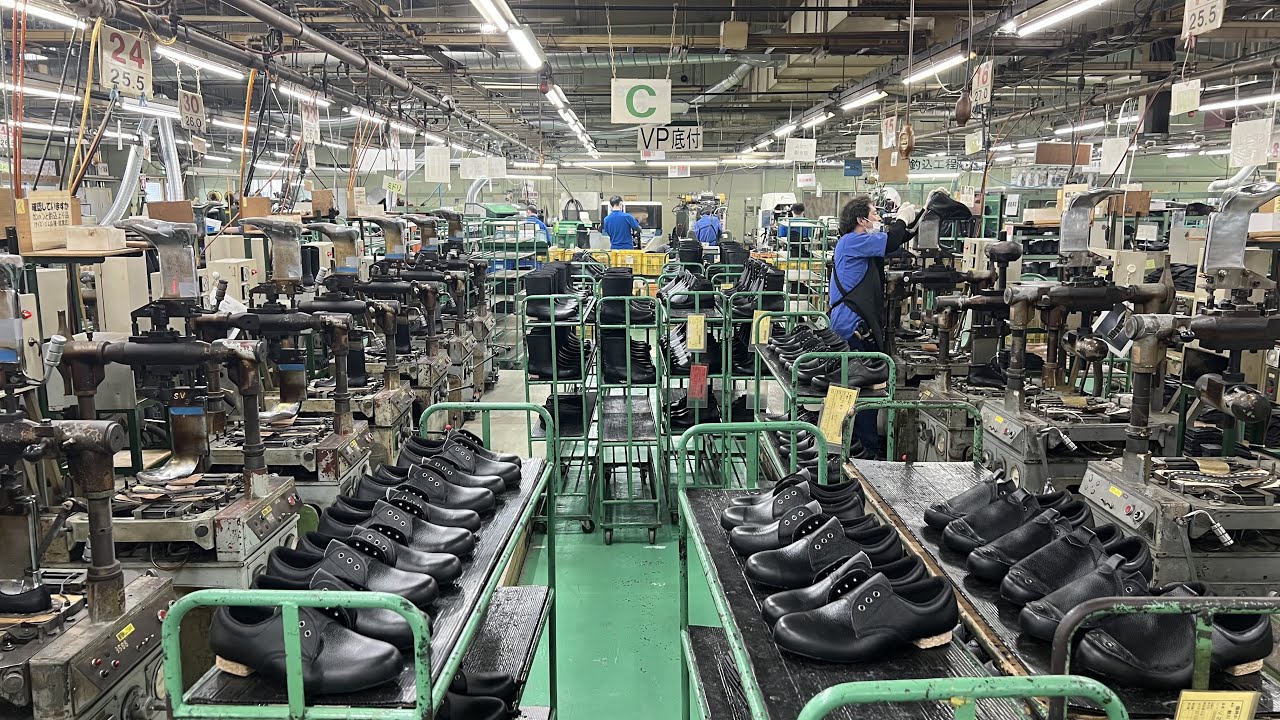
Safety shoes guard workers’ feet from occupational injuries. Many jobs put feet in danger every day. Workers may stand near metal, heavy tools, oil, heat, water rough floors or moving machines. In places safety footwear is crucial.
* Many people focus on the toe cap, upper material.
*. They often forget about the sewing machine thread that holds the shoe together.
Threads may seem small. They play a big role. If threads are weak the shoe can. Lose shape. Then it may not provide safety. So threads have a role in safety footwear.
Safety footwear must meet safety rules and quality checks. It should perform well in the conditions its made for. If stitching fails the shoe may fail too. That’s why thread selection matters.
Threads used in safety shoes are not threads. They are made for use. These threads are stronger and more durable. They can handle stress during stitching. After the shoe is worn.
A safety shoe has many parts joined together. The upper tongue, collar, lining and other sections are stitched together. Every stitch line must stay firm. If one seam gets loose the shoes comfort and safety can be affected.
Good threads help keep seams. They give seam holding power. They also help stitching stay neat and balanced. This is important because uneven stitching can reduce the shoes life.
Many workplaces have oil, mud, water and chemicals. Threads (bonded nylon thread) must not break fast. Wear out early. Threads used in safety shoes can handle friction and repeated movement better.
Abrasion resistance is important. Safety shoes often rub against floors, machines and work surfaces. The stitched area can face rubbing. If threads are not strong they may fray.
Heat resistance is also important. In some industries workers face surfaces. Threads should not get weak quickly.
Threads must suit the shoe material. Safety footwear may use leather, coated fabric or synthetic upper. A wrong thread can cut into the material. Fail during stitching.
Machine performance is linked with threads. In factories production speed matters. If threads break often work stops. This wastes time. Affects output.
Compliance starts from material choice. When a footwear maker picks the thread they improve the chance of making a safe shoe. Strong stitching supports the shoes structure.
Looks matter in safety shoes. Clean stitching gives a trusted look. Poor thread performance can reduce customer trust.
Manufacturers should not choose threads by price. Cheap threads may save money at first. They can bring bigger problems later.
The right thread should be chosen after looking at shoe design, material type and work condition. A good footwear product needs a choice.
In the end threads help hold the safety shoe. They support durability and stitch strength. This is why threads play a role, in safety footwear. When safety matters every detail matters.